How to Avoid Catching a Nasty Norovirus on the Road
Norovirus
is sometimes called the “stomach flu,” although
it is not related to the flu (a common respiratory illness
cause by the influenza virus). Seven cruise ships from North
American ports have reported gastrointestinal outbreaks
to the federal Centers for Disease Control and Prevention
since January 1. Last year, 28 ships had a total of 36 outbreaks,
which the CDC defines as illness rates of 3% or higher among
passengers or crew. This week alone, three ships —
Holland America Line's Veendam and Ryndam and Royal Caribbean's
Empress of the Seas — are reporting outbreaks affecting
between 4.4% and 21% of passengers.
Symptoms
caused by noroviruses
Common
symptoms: vomiting, diarrhea, some stomach
cramping
Less
common symptoms: low-grade fever, chills, headache,
muscle aches, nausea, and tiredness
 |
|
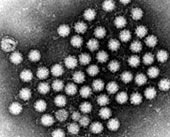
Norovirus
Shown Above :
a common respiratory illness cause by the influenza
virus |
This
illness often begins suddenly, and the infected person
may feel very sick. Normally the illness lasts about one
to two days. Children often vomit more than adults.
Where
noroviruses are found
Noroviruses
are found in the stool or vomit of infected people and
on infected surfaces that have been touched by ill people.
Outbreaks occur more often where there are more people
in a small area, such as nursing homes, restaurants, catered
events, and cruise ships.
Why
noroviruses are associated with cruise ships
-
Health
officials track illness on cruise ships. Therefore,
outbreaks are found and reported more quickly on a cruise
ship than on land.
-
Close
living quarters may increase the amount of group contact.
-
New
passenger arrivals may bring the virus to other passengers
and crew.
-
How
noroviruses are spread
People
can become infected with the virus by:
Norovirus
infections are not usually serious
Noroviruses
are highly contagious, but infections are not usually
serious. People may feel very sick and vomit often or
get diarrhea, becoming dehydrated if lost liquids are
not replaced. Most people recover within one or two days
and have no long-term adverse health effects.
What
to do if you get norovirus
Advise
the medical staff of your illness. Drink plenty of fluids.
Wash hands often.
How
to prevent getting and spreading noroviruses
-
Wash
hands often. Wash hands after using the bathroom or
changing diapers and before eating or preparing food.
Wash hands more often when someone in your home is sick.
For hand washing tips click the following link: www.cdc.gov
-
Avoid
shaking hands during outbreaks.
-
Use
alcohol-based hand sanitizer along with handwashing.
For
more information, visit www.cdc.gov
|