Teach Teens Dangers of Texting While Driving
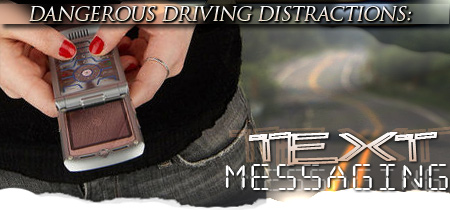
As cell phones become more popular on the road, driving tragedies involving teenagers text messaging while behind the wheel have increased in frequency. This alarming trend has now made parents and drivers more aware of the dangers of text messaging and other cell phone distractions on the road.
With more teens hitting the highways than ever, parents are being encouraged to teach their teens the importance of paying attention to the road, not the cell phone.
According to the Insurance Information Institute (I.I.I.), the U.S. federal government estimates 30 percent of all crashes involve some type of driver distraction. Additionally, a recent study by Students Against Destructive Decisions (SADD) and Liberty Mutual Insurance Group found that 37 percent of teens consider text messaging while driving extremely distracting. However, this concern hasn’t stopped many teens from still participating in the dangerous driving behavior.
To help keep your teen safe while they are in the car, SADD recommends parents follow these guidelines for teaching their kids about driving distractions.
-
Know and enforce your state’s Graduated Driver License laws and restrictions, including unsupervised driving, time of day and passengers in the car.
-
Sign a teen driving contract such as SADD’s Contract for Life
-
Set family driving rules with clear consequences for breaking the rules. SADD recommends rules such as:
-
No alcohol or drug use
-
No cell phone use, including text messaging
-
No driving after 10 p.m.
-
Keep two hands on the wheel — no eating, changing CDs, handling iPods or other activities while driving
-
Limit or restrict friends in the car without an adult
-
Follow your own family’s rules. Your teen will follow your driving example, so be sure you are keeping your own rules.
How to Avoid Driving Distractions
-
Pull off the road. Do not drive while calling or texting.
-
Use speed dialing or voice-activated dialing if you have to make a call while driving.
-
Let your voicemail take the call. You can call back later when you are not driving.
-
Know when to stop talking. If the conversation is long, emotional or stressful continue it when you are not driving.
-
Do not take notes while driving. If you don’t want to forget a note, use a take recorder or pull off the road.
-
Do not eat or drink while driving.
-
Groom yourself at home, not in the vehicle.
For more information on safe cell phone use while driving, or to get a contract of SADD’s Contract for Life, visit SADD.
Visit the Insurance Information Institute for more safe driving tips.
Read RTM’s articles on Driving with Cell Phones and Teen Driving Habits
Sources: SADD and Insurance Information Institute. |